
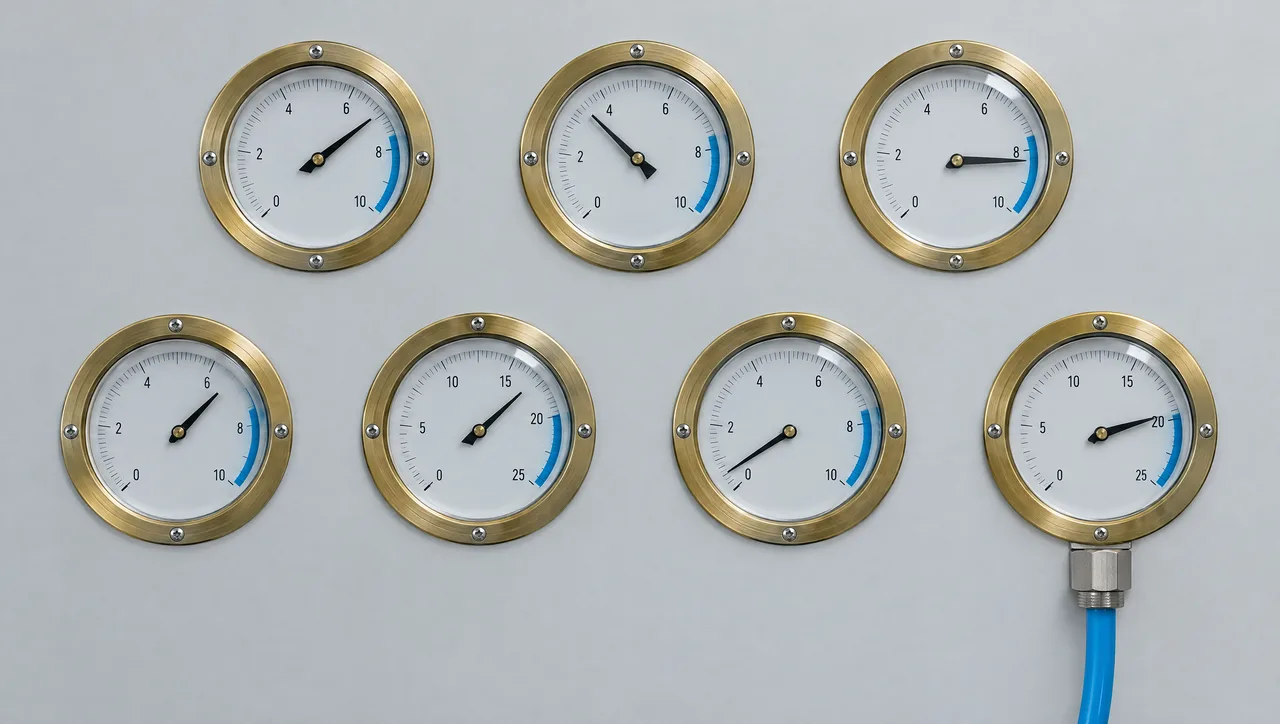
The story. Digiday asked publisher and ad tech executives to grade each of Google’s seven court-ordered ad tech remedies, zero to ten. The average came out to 5 — real progress on paper, but nowhere close to a clean win, because three of the seven formalize practices Google says it already stopped, and the two structural ones (log-level data portability, ending AdX/DFP bundling) scored lowest of all. (Digiday, “Publishers’ scorecard on Google’s ad tech remedies: they’re progress, but far from a clean win,” Jessica Davies, 23 September 2026)
01What happened
- Header bidding trafficking scored highest, at 7/10. ContentIgnite CRO Alex Newberry called it a reversal “publishers have been asking for since header bidding first emerged.” Consultant Scott Messer was blunter about the status quo it replaces: letting Google “black box’ your Prebid is pretty antithetical” to what header bidding was built for.
- Opening AdX bidding to rival ad servers scored 6/10 — a “huge” win on paper, with a catch. Mediavine co-founder and CEO Eric Hochberger called the remedy itself significant, but publishers told Digiday it’s unclear whether AdX’s largest buyer, Google’s own AdWords demand, will actually bid through non-Google servers; the remedy sets no target for reducing GAM’s market share, and the rival ad-server market it’s meant to revive is already “hollowed out.”
- Data portability — the remedy meant to break Google’s data lock-in — scored lowest, at 4/10, tied with ending AdX/DFP bundling. KPI Village CEO Amit Grover’s framing: “This ruling moves us toward the pipes flowing more evenly, but it doesn’t do enough about the source of the water, which is Google’s demand.” Publishers estimated free log-level data could save $2,500 to $10,000 a month — real money, but a cost fix, not a competitive one, since a rival ad server has little use for years of Google-only historical data.
- Ending the AdX/DFP bundle could raise ad-serving bills, not lower them. Messer’s read: since roughly half of some publishers’ AdX “bonus” credits were quietly offsetting ad-serving fees, unbundling the products risks pushing those fees back up rather than down.
- The scrapped Unified Pricing Rules mandate splits opinion by publisher size. Grover said the publishers who benefit most are the smaller, less sophisticated ones — the bigger ones “have had ways to manage yield within the UPR setup for a while” — while Aditude VP Justin Woh, who consults for Salon, called the likely bottom-line impact “small in the long run.”
02What it means inside a GAM network
The pattern across all seven scores is the same one this desk has been tracking since the remedies unsealed: relief that is real but bounded, and bounded specifically at the point where a fix would touch Google’s own demand rather than the plumbing around it. Header bidding trafficking and AdX-to-rival-server access score well because they’re mechanical — Google either routes the bid or it doesn’t, and a monitor can check. Data portability and unbundling score worst because they’re the two remedies that could have forced Google’s own AdX demand and pricing logic to compete on equal footing with everyone else’s, and neither one does: portability hands over historical logs with nowhere competitive to spend them, and unbundling touches billing math before it touches auction share. For a publisher running AdX inside GAM today, that’s the operating instruction hiding in the scorecard: the remedies worth acting on immediately are the ones that change what your floors and your header bidding stack can see and do — validating win-rate lift once “black box” Prebid access opens, and re-pricing floors once first-look and last-look advantages are actually gone, not just banned on paper. The ones worth watching rather than banking — data portability, the bundling split — are exactly the remedies Grover is describing when he says the water itself, Google’s demand, hasn’t moved.
Two prior APH pieces this week covered the remedies' build clock and the publisher associations' own reaction to the unsealed order.
03What publishers should do about it
04The bottom line
Two prior APH pieces this week covered the remedies’ build clock and the publisher associations’ own reaction to the unsealed order. This scorecard adds the number underneath both: an average score of five out of ten across seven separately-graded remedies, with the highest score going to the most mechanical fix (header bidding access) and the lowest to the two remedies that would have actually constrained Google’s own demand and pricing power. Grover’s line is the whole scorecard in one sentence — the pipes flow more evenly now, but the source of the water hasn’t changed.