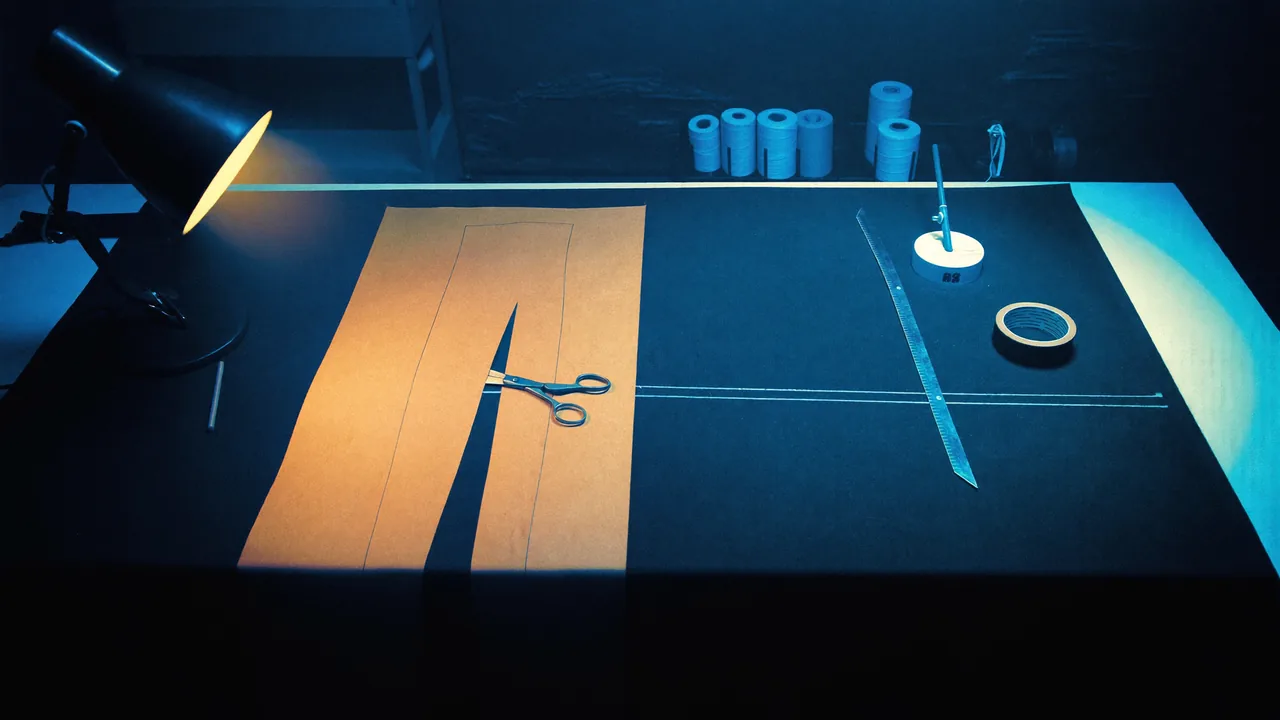
A format with no ad market. Revenue goal beaten by 200% in the first ten days.
İki Dakika Creative House · content-licensing engagement from October 2024 · the launch story, revenue reported by APH
Service line: Content licensing and direct sales through APH — distribution engineered for the format, the inventory sold before the season aired, and ad units invented for the vertical episode.
Published Last updated
A bespoke pattern cut for a shape no ready-made market fits. Distribution, revenue and ad product were made to measure, together.Key results · revenue reported by APH, audience from the client’s platform reporting
+200%Revenue above the launch goalFirst ten days, ten episodes, 2024 launchAgainst the goal set before launch, indexed goal = 100
2New titles in the same formatCommissioned on the launch resultReported by APH from the engagement
40M+Views, all platforms combinedFirst ten days, ten episodesClient platform reporting, cited not measured
1.3MHours watched, all platformsFirst ten days, ten episodesClient platform reporting, cited not measured
At a glance
Client
İki Dakika Creative House Television series in vertical video, built for the phone
Sector
Entertainment Vertical mini-series · two-minute episodes, hundred-episode seasons
Market
Türkiye
Engine
Content licensing and direct sales Platform distribution (Shorts, Instagram, TikTok) · custom ad formats
APH role
Launch partner Licensing and direct sales, from October 2024
Year and source
2024 launch APH reporting for revenue · client platform reporting for audience
The 60-second version
Three sentences that can be read aloud in a meeting.
Situation
İki Dakika Creative House had an original: television series in vertical video, two-minute episodes in hundred-episode seasons, built for the phone. Strong content, an obvious audience, and no distribution strategy, no revenue model and no ad format designed for any of it.
What APH did
Built the market before the season aired: distribution engineered for Shorts, Instagram and TikTok, the inventory taken to the buy side early so that brands from banking, apparel and food committed budgets before the first ten episodes published, and two ad formats invented for the vertical episode.
What changed
In the first ten days and ten episodes, the initial revenue goal was exceeded by 200%, and the commercial result kick-started two new titles in the same format. The audience in the same window, by the client’s platform reporting: 40 million+ views and 1.3 million hours watched.
This is the launch story, covering the engagement from 2024. The representation agreement ended in 2026 and this page makes no claim about the current relationship. The revenue result is reported by APH from the launch engagement; the audience figures are the client’s platform reporting, which we cite and did not measure.
Exhibit 1 · reported by APHWhat the launch was sold for, against what it returned.Reported by APH from the İki Dakika launch engagement, 2024. Indexed to the revenue goal set before launch (100); absolute revenue and the goal itself are withheld.
What we walked into01The idea nobody had monetized
İki Dakika Creative House came to APH in October 2024 with an original: television series in vertical video — two-minute episodes, hundred-episode seasons, built for the phone. The content was strong and the audience was obvious; anyone who watched an episode on a phone could see who it was for.
What did not exist was everything around it. There was no distribution strategy for a series that lives on Shorts, Instagram and TikTok rather than in a broadcaster’s schedule. There was no revenue model, because nobody had priced a two-minute vertical episode. And there was no ad format, because the horizontal pre-roll that the rest of video sells would have broken the viewing habit the whole thing was built on. New formats do not come with markets attached.
The brief02Build the market before the season airs
The audience would be the client’s to earn. What had to be built was the money attached to it: where the episodes would live, who would pay for the space around them, and what an ad inside a two-minute vertical episode should look like. Three problems, and none of them solvable on its own — a distribution plan with no ad product sells nothing, and an ad product with no committed buyer is a mock-up. So the three were designed together, with the first ten episodes as the deadline.
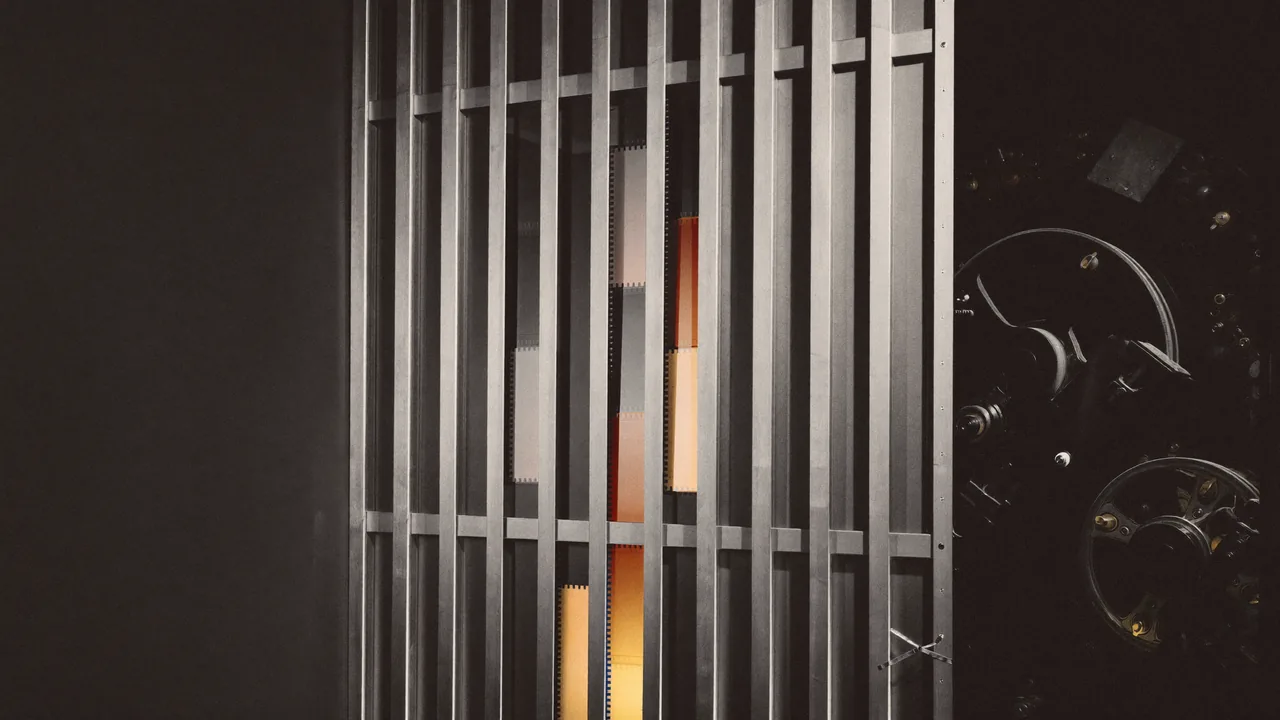
Tall frames for a format built for the phone.
What we did03The work
Three steps, designed as one: the distribution the format needed, the revenue secured before anything aired, and the ad units that made the second possible without costing the first.
01
DistributionDistribution engineered for the format
Across the platforms where vertical actually lives — YouTube Shorts, Instagram, TikTok — built for virality and scale rather than adapted from a broadcast schedule.
02
RevenueRevenue before the season aired
We took the inventory to the buy side early. Brands from banking, apparel and food committed budgets before the first ten episodes were published.
03
Ad formatsAd formats invented for the format
A mobile notification embedded inside the video, and full vertical ad videos between episodes — native to the viewing habit instead of interrupting it.
The point
New formats do not find markets. Markets get built — distribution, revenue and ad product together, or not at all.
What happened04The result
The initial revenue goal was exceeded by 200% in the first ten days and ten episodes. Indexed to the goal set before launch at 100, the revenue in the window stood at 300. That commercial result — not the view count — is what kick-started production of two new titles in the same format.
Exhibit 1 · reported by APHWhat the launch was sold for, against what it returned.Two bars on a zero axis: the goal set before the format had a market, and the revenue of the first ten days. It was beaten three times over.Reported by APH from the İki Dakika launch engagement, 2024. Indexed to the revenue goal set before launch (100); absolute revenue and the goal itself are withheld.
The index keeps the shape and hides the currency. The goal was set before a single buyer had seen the format, which is the point of the comparison: it measures the market that was built against the market that was assumed. No day-by-day line is drawn, because the budgets were committed before the window opened and a daily curve would suggest the revenue arrived with the views. It did not; it arrived before them.
Exhibit 2 · what was built, in orderThree steps, designed together.The order the work reads in, from the platforms the episodes would live on to the ad units that made the sale possible. No step was finished before the next began.Ordinal: the strip shows sequence, not dates or duration, and no step is weighted by its share of the result. The bracket beneath is the argument of the case — the three parts were one design, and the budgets were committed against all of it.
Distribution reads first because the buyers needed to know where the audience would be; the ad formats read last because they were what the buyers were actually purchasing. In practice the three were built in the same weeks, and the sale in the middle depended on both ends being real.
The audience the format earned in the same window, across all platforms combined and as reported by the client’s platforms: 40 million+ views, 1.3 million hours watched, one million+ likes and 15,000+ comments. The reach was the client’s achievement. Turning it into revenue before a single episode aired was ours.
Exhibit 3 · client platform reporting, first ten daysThe audience the format earned, in four measures.Views, hours watched, likes and comments across YouTube Shorts, Instagram and TikTok combined, as the client reported them to APH. Different units, so no shared axis and no cell is scaled against another.Cited, not measured: these four figures are the client’s platform reporting for the first ten days and ten episodes, supplied to APH. They are printed as reported, without a platform split, because none was published.
The four figures are kept apart from the revenue chart on purpose. They come from a different source and they prove a different thing: that the format found its audience, which was the client’s bet. The revenue figure proves that the audience had a market waiting for it, which was ours.
How to read the numbers05Methodology and caveats
Data source
Two sources, kept apart. The revenue figure is APH’s, reported from the launch engagement in 2024. The audience figures — views, hours watched, likes, comments — are the client’s platform reporting from YouTube, Instagram and TikTok, supplied to APH. We cite them; we did not measure them.
Metric
Revenue against the pre-launch goal, indexed. The goal set before the season aired is 100; the revenue in the window is 300, which is 200% above it. Absolute revenue and the goal itself are withheld.
Window
Ten days and ten episodes from the first episode published, in the 2024 launch. All platforms combined; no platform split is published, for revenue or audience.
Seasonality
Not applicable. There is no prior period to adjust against: the format had not aired before, and the comparison is with a goal set in advance, not with an earlier window of the same property.
Scope
The launch only. The content-licensing engagement began in October 2024; the representation agreement ended in July 2026. Nothing on this page describes the current relationship or any result after the launch window.
Results will vary
This is one launch. The result depended on a format with an obvious audience, on brands willing to commit before publication, and on ad units built for the format. We cannot guarantee the same outcome for another title or another format.
The pattern06What we do with this today
The engagement ended in 2026; the method did not. New formats, new placements and new surfaces — inventory nobody has priced yet — are what the direct-sales desk builds markets for: the distribution the format needs, the buyers brought in before launch, and the ad units designed for the surface rather than borrowed from another one. The sequence on this page is the one we start with.
Prepared by Archon Programmatic House · archonph.com/case-iki-dakika-2026.html · Last updated 18 September 2026 · Revenue reported by APH from the 2024 launch engagement; audience figures from the client’s platform reporting · The launch story only; the representation agreement ended in 2026
Start here
If you have inventory nobody has priced yet.
New formats, new placements, new surfaces — we have built the market for all three. Tell us what you are launching.